AC Capacitor Replacement in Austin, TX
Capacitor testing and replacement for AC units in Austin and nearby areas.
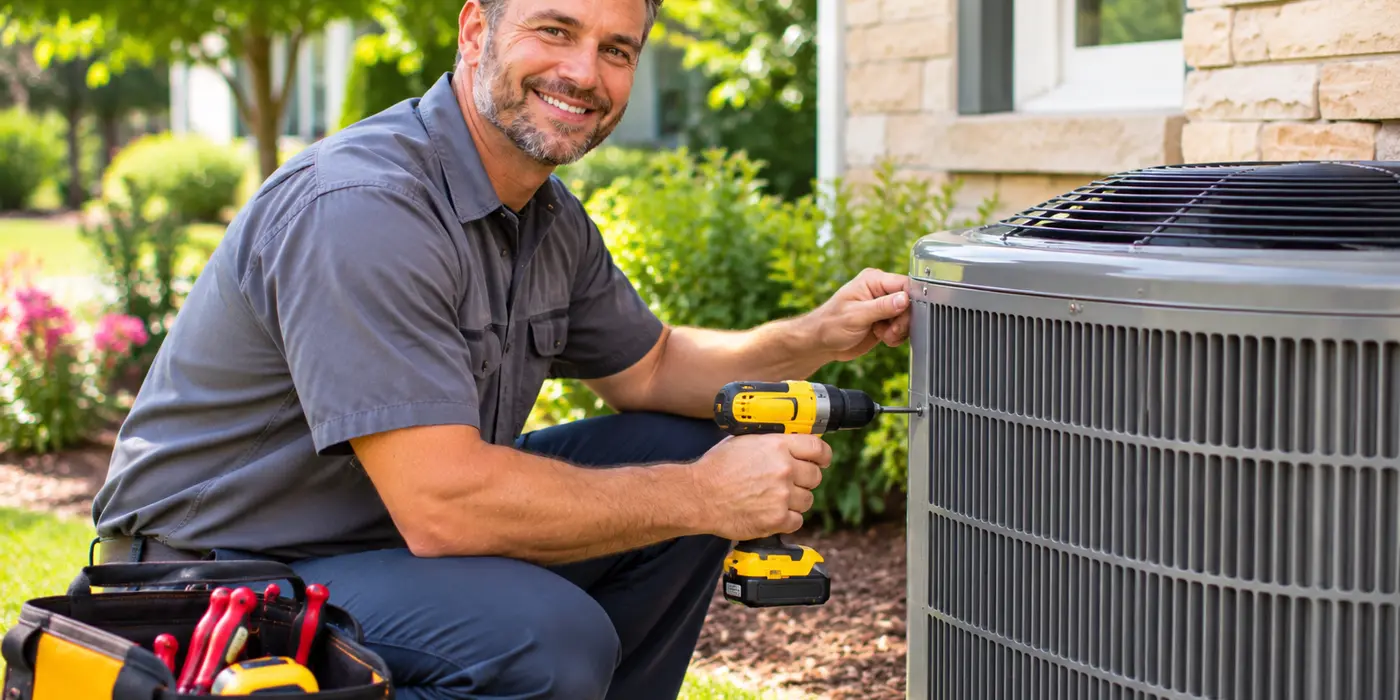
A weak capacitor becomes a larger problem when the condenser fan or compressor starts struggling on every cooling cycle. After a week, the outdoor unit may hum before starting, send warm air through the supply vents, or shut down on a thermal overload after the motor has worked too hard.
Repeated hard starts can put extra heat on the compressor terminals, contactor, and fan motor. After a month or a full cooling season, a failed capacitor can leave the outdoor unit unable to start at all, even though the thermostat is still calling for cooling.
This is work that should not wait once the unit is humming, cycling off, or failing to cool because the capacitor controls the starting and running power for the condenser motors. A matched capacitor replacement can prevent repeated stalled starts from stressing parts that cost more to diagnose or replace.
Humming condenser and warm vents
A humming outdoor unit with no spinning fan is one of the most common calls tied to a failed run capacitor. The condenser may click, buzz for several seconds, or stop after the thermostat turns it on, while the indoor blower continues moving air through the vents.
Warm air from the registers, a fan that starts and stops, and an AC unit that runs briefly before shutting off can point to the same area of the condenser. A burning electrical smell, a swollen capacitor case, or oil-like residue near the capacitor terminals also needs an inspection, with power left off at the disconnect. These complaints can begin alike but lead to different parts and labor once we test the capacitor, motor, contactor, and wiring at the unit.
Condenser capacitor inspection
Our callout starts with the outdoor condenser, disconnect, access panel, capacitor terminals, and contactor. With electrical power isolated, we inspect the capacitor case for swelling or leakage, check wire connections for heat damage, and measure the capacitor in microfarads against the value printed on its label.
A capacitor test and visual inspection commonly take 20 to 40 minutes, depending on panel access and the condition of the terminals. We also verify the equipment voltage, which is commonly 208 to 230 volts on residential outdoor equipment, and check whether the fan motor and compressor are drawing power normally. If the correct microfarad rating, voltage rating, and mounting style are available, replacement is usually completed during that visit; a nonstandard part or damaged wiring may require a return visit after the part is obtained.
Capacitor rating and condenser access
The capacitor rating, the condition of the terminals, and access to the condenser are the main items that affect the work involved. A dual-run capacitor serving both the compressor and fan motor is not interchangeable with every single-run capacitor, and the labeled microfarad and voltage ratings must be matched rather than guessed.
A clear path to the outdoor cabinet and removable service panels keeps testing straightforward. Corroded screws, a seized disconnect, burnt wire ends, or a capacitor that must be ordered can add work beyond fitting the replacement part. If testing identifies an electrical correction outside the capacitor itself, any required permit or inspection also changes the scope of the job.
Model plate and condenser access
The model number on the condenser data plate helps us identify the correct capacitor specifications before the visit. The plate is usually on the outdoor cabinet behind or beside the service panel, and a clear photo can show the model, serial number, and electrical ratings.
Tell us which room has warm vents and whether the indoor blower, outdoor fan, or condenser is running now. Let us know if the condenser sits behind a locked gate, on a roof, or beside shrubs that block the access panel. If you can safely see a swollen capacitor through the panel opening, leave the disconnect off rather than touching the terminals. Call Air Conditioning Services Austin at (737) 300-9206 before repeated hard starts put more heat into the compressor and fan motor.
Next: evaporator coil repair, or back to the home page.